

Nature Materials: Granular hydrogel scaffold stimulates immune response and promotes wound healing and regeneration
One of the main goals of tissue engineering for skin regeneration is to allow rapid recovery of barrier function while improving tissue tensile strength and tissue function. However, wounds tend to restore barriers to maintain survival at the expense of composite tissue function.
Recently, the team of Tatiana Segura and Philip Scumpia of the University of California, Los Angeles published a research paper titled "Activating an adaptive immune response from a hydrogel scaffold imparts regenerative wound healing" on Nature Materials, and proposed a method of cross-linking peptides. Chirality is a strategy to slow down the degradation of microporous particle hydrogel scaffolds (MAP) and improve tissue growth and regeneration. After converting the cross-linking agent from L-amino acid to D-amino acid, MAP hydrogel (D-MAP) exhibited a slower in vitro enzymatic degradation behavior, while the degradation phenomenon in vivo was the opposite. Further studies have shown that D-MAP can trigger antigen-specific immunity against D-polypeptides in the body, improving tissue tension and skin regeneration.
Without the addition of stem cells, growth factors or adjuvants, D-enantiomeric peptides produce adaptive immune responses. The adaptive addition of MAP enhances type II innate and adaptive immune responses, and induces skin regeneration and hair growth , And improve the tensile strength (Figure 1).
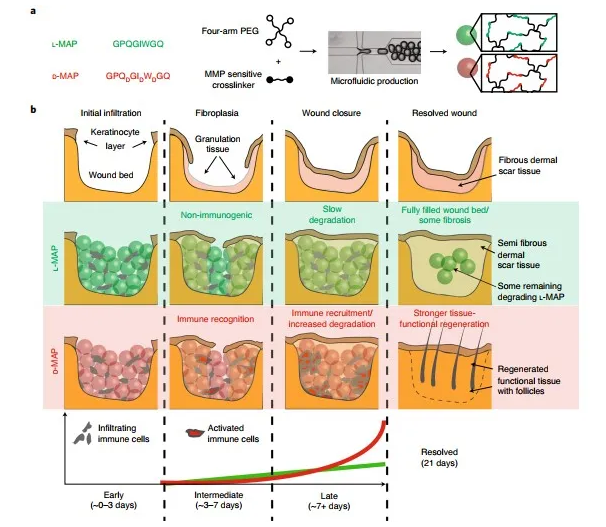
Figure 1 D-MAP promotes regeneration strategy through immune response
First, the researchers proved that the D-chiral peptide crosslinker weakened the degradation rate of MAP in vitro, but promoted the degradation in vitro. Maintain the original material properties (for example, hydrophobicity, mesh size and charge), and use enantiomeric peptides (D-peptide and L-peptide) to change the degradation rate. The microfluidic technology produced microsphere particles and ensured that the strengths of L-MAP and D-MAP were consistent (Figure 2a). In vitro, the use of collagenase to degrade L-MAP components is completely degraded within a few minutes, and D-MAP is slower (Figure 2b); D-MAP is degraded more slowly than L-MAP in vivo (Figure 2c~f).
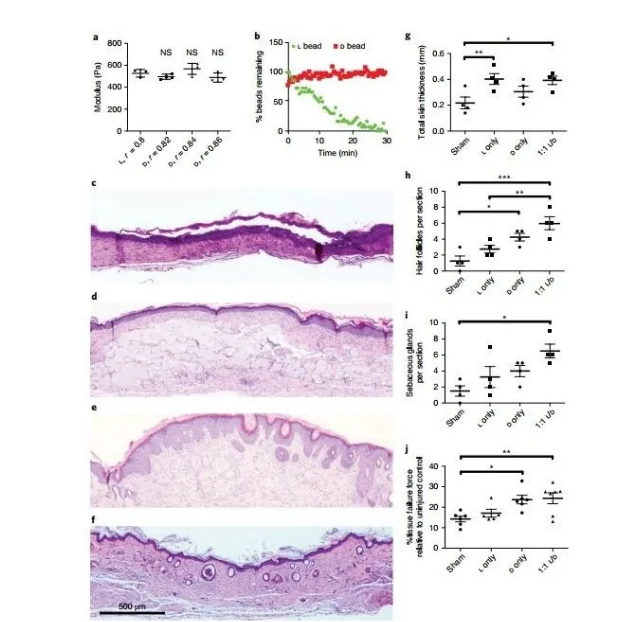
Figure 2 Enhanced degradation of D-MAP hydrogel in SKH1 hairless mouse wounds
Next, it was proved that D-MAP hydrogel promotes tissue regeneration and hair follicle regeneration. Histological examination of mice treated with sham surgery and L-MAP showed typical scar tissue, flat epidermis, thin dermis, horizontal collagen bundles, vertical blood vessels and lack of hair follicles and sebaceous glands (Figure 2c~d, g–i) The histological data of D-MAP treatment or 1:1-L/D-MAP treatment shows that there are new tissues, the epidermis is born with rational ups and downs, and many immature hair follicles are observed across the healing full-thickness area; in addition, The tensile test data showed that the tensile strength of the epidermis of the D-MAP treated mice was significantly increased.
Next, the sham operation and D-MAP treated wound tissue were subjected to hematoxylin and eosin (H&E) and Masson trichrome staining (Figure 3a~f). Many new hair follicles were formed in the D-MAP treated wound ( Figure 3b, d, f), show that D-MAP can activate hair follicle regeneration.
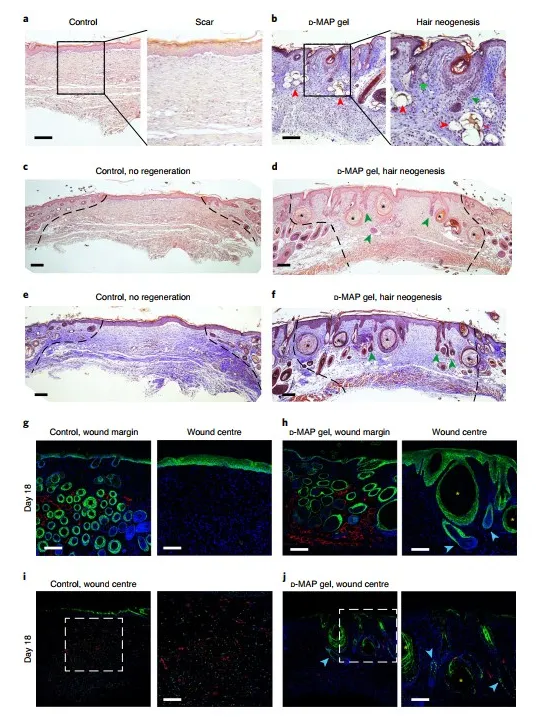
Figure 3 D-MAP hydrogel induces new hair follicles on the wounds of B6 mice
Finally, it is proved that D-MAP promotes tissue regeneration by stimulating adaptive immune response. The in vivo model (Figure 4a~b) and the results of immune-related bone marrow cells and macrophages (Figure 4e~l) all show the antigen-specific immunity of D-polypeptide, which promotes the aggregation of immune cells in D-MAP, triggering a strong effect The immune response can also promote the degradation of D-MAP. Importantly, the MAP hydrogel scaffold can activate and regenerate hair follicle structure through adaptive immunity and promote tissue regeneration. (Figure 5)
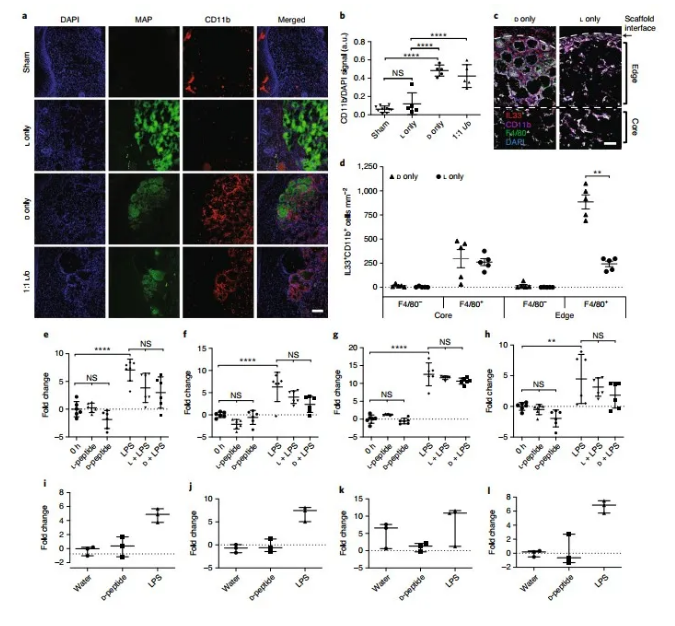
Figure 4 Recruitment of myeloid cells does not require peptide recognition by pattern recognition receptors
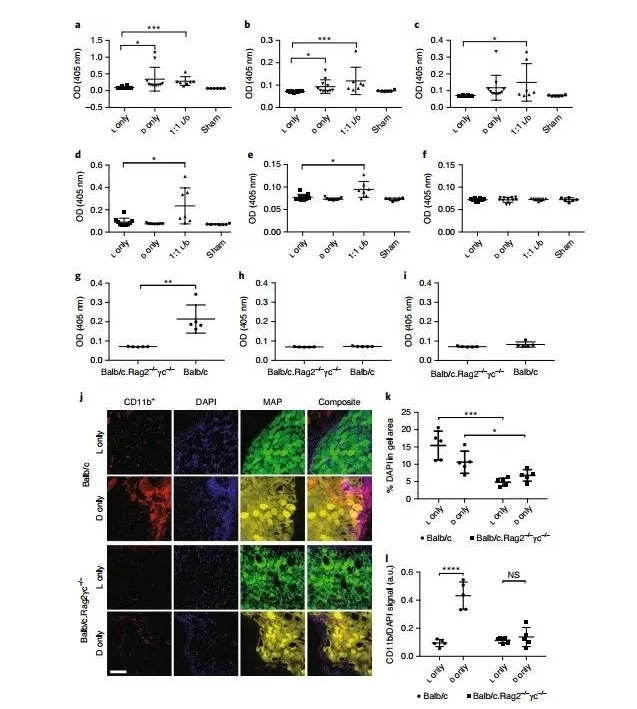
Figure 5 D-MAP induces antibody response and recruits myeloid cells through adaptive immunity
In short, D-MAP hydrogel regulates specific tissue immune response, so that wound repair develops in the direction of regeneration instead of producing scar tissue or foreign body response. This strategy of stimulating immune response through biological materials may become a very promising development direction for biological materials in the future.
EFL EngineeringForLife
Information source: EFL EngineeringForLife
This information is from the Internet for academic exchanges. If there is any infringement, please contact us and delete it immediately
18915694570
Previous: Review of